

Edition #169
Investing Unlocks: How to Capitalize on the Hot Topics From The Last 7 Days
We analyze recent trends and opportunities, offering strategic insights that help you manage risks and identify growth opportunities for your portfolio.
💪 Weak Jobs, Strong Stocks, All Eyes on CPI
Last week, Wall Street surged to record highs as easing Iran tensions sent oil lower and a blowout earnings season kept buyers in charge, with 85% of S&P 500 companies beating expectations and aggregate profits tracking 47% growth. Tech and semiconductors led, pushing the Dow above 54,000 and the S&P 500 past 7,700 for the first time. The July jobs report showed the economy unexpectedly lost 23,000 jobs against expectations for a gain of 83,000, but markets welcomed the weakness because it undercuts the case for a Fed rate hike, with futures rising on the news.
This week, the focus shifts to inflation with July’s Consumer Price Index, Producer Price Index, and retail sales all on the calendar. Headline CPI is expected to ease to around 3.8% from 4.2%, largely on falling energy costs after the Iran ceasefire. With the Fed holding rates at 3.50% to 3.75% and markets already rethinking the odds of a September hike, a tame inflation print alongside soft jobs data could effectively shelve the tightening threat and keep the rally intact heading into a historically choppy stretch for stocks.
Hot Topics
Paper Gains Flatter The Index
The S&P 500’s Q2 earnings growth looks spectacular, but the chart shows how concentrated the upside has become. Blended earnings are tracking at 47.4% year over year, the strongest result since Q2 2021. Yet a handful of companies are doing much of the lifting.
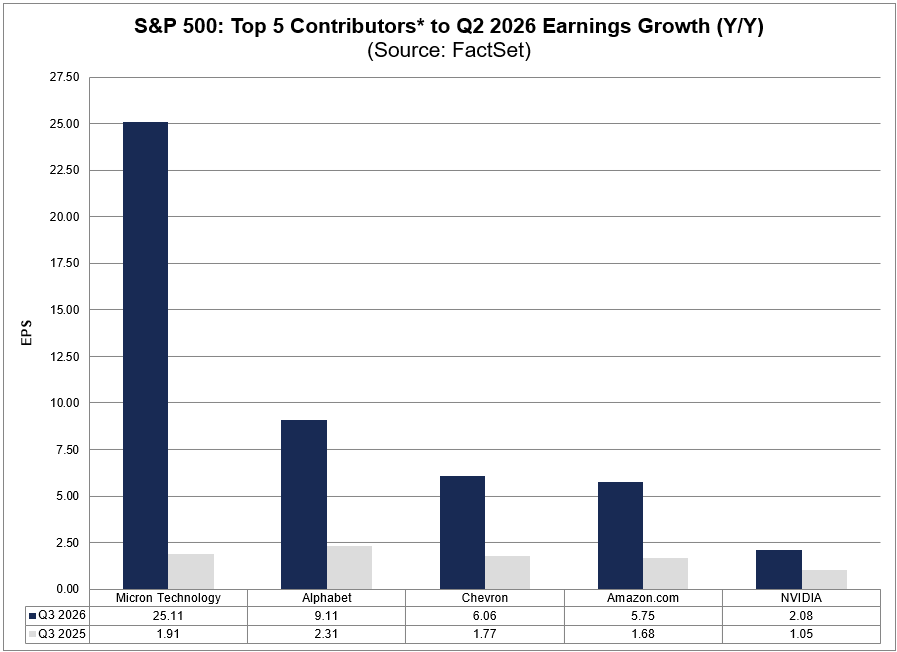
Alphabet reported a roughly $98B pre-tax gain on equity securities, primarily from higher valuations on stakes including SpaceX. Amazon’s earnings received a similar boost from the rising value of its Anthropic investment. Those gains are valid under GAAP, but they are not the same as faster sales, wider margins, or stronger underlying demand. They can also reverse when private-company valuations fall.
The concentration goes beyond these paper gains. Micron’s EPS surge is the chart’s largest contributor, while Chevron and NVIDIA also add meaningfully to the headline. Strong index-level earnings are encouraging, but investors should watch for broadening in the second half. A healthier advance would see more of the other 495 S&P 500 companies contributing to growth, not just a few outsized winners.
Investing Data Story

The 20 largest travel stocks US investors can buy in 2026, ranked by market cap, and why business model beats raw revenue on valuation.
Ranked: The 20 Largest Travel Stocks, and What Drives Their Value
Retail Keeps Buying
Retail investors have bought SpaceX (SPCX) stock every trading day since its June 12 IPO, according to Vanda Research. That streak held even as the stock fell more than 50% from its intraday high of $225.64 to below its $135 offering price.
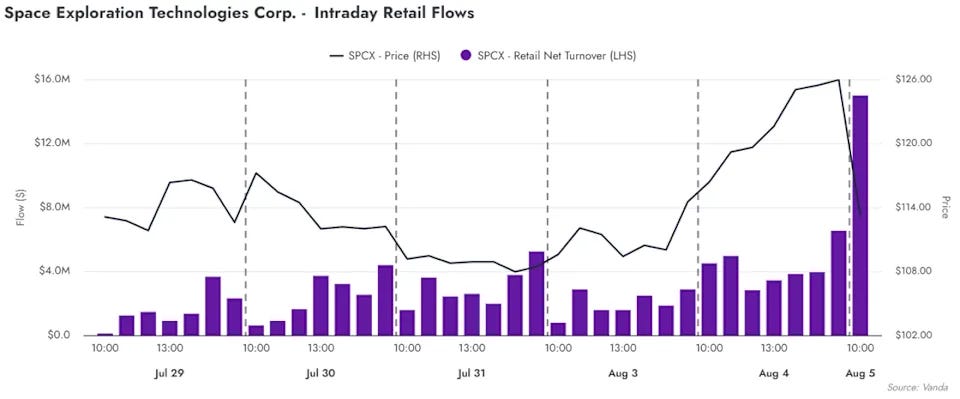
On Wednesday, individual investors bought a net $22.7 million of SpaceX shares in the first hour of trading, more than three times the average opening-hour inflow. The buying came as the stock dropped 14% after the company’s first earnings report showed nearly $16 billion in quarterly spending on AI and data centers.
Vanda says retail investors view SpaceX as an AI story, not a space exploration play, and are treating the heavy capital spending as a down payment on future growth. The firm notes that retail buyers see SpaceX as a stock with “10-bagger potential.”
The first major lockup expired on Thursday, making up to 911.5 million insider and pre-IPO shares eligible for sale. That more than doubles the public float from 639 million to 1.55 billion shares. The stock closed up 6.1% on the day, suggesting enough demand to absorb early selling. Short interest stood at 36% of float as of Wednesday’s close, according to S3 Partners.
Earnings Performance
Walt Disney Co (NYSE: DIS)
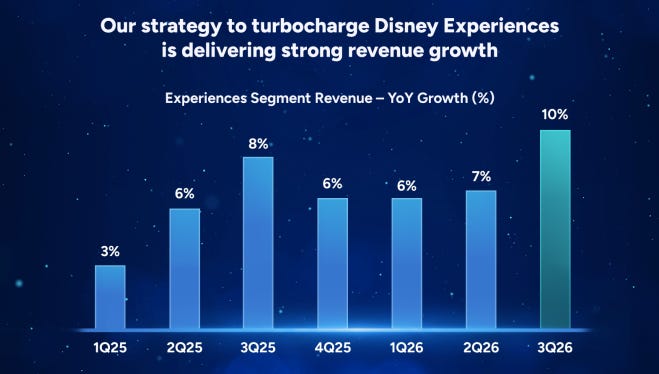
Disney’s fiscal Q3 looked weak at first glance. GAAP EPS fell 48% to $1.51, but that was mostly because last year’s quarter included a $3.3 billion non-cash Hulu tax benefit. Excluding that, adjusted EPS rose 28% to $2.06, beating expectations, as revenue grew 7% to $25.2 billion. Operating income jumped 21%, driven by strong Entertainment and Experiences results.
The weak spots were Sports, where operating income fell 17% on higher NBA rights costs and a carriage dispute, and a roughly $450 million impairment on Disney’s A+E investment. Management reaffirmed its outlook and increased planned share buybacks, but investors should watch whether streaming profits and park demand stay strong after the boost from Toy Story 5.
Other Earnings Updates
Analyst Strong Buy Ratings This Week! 📈
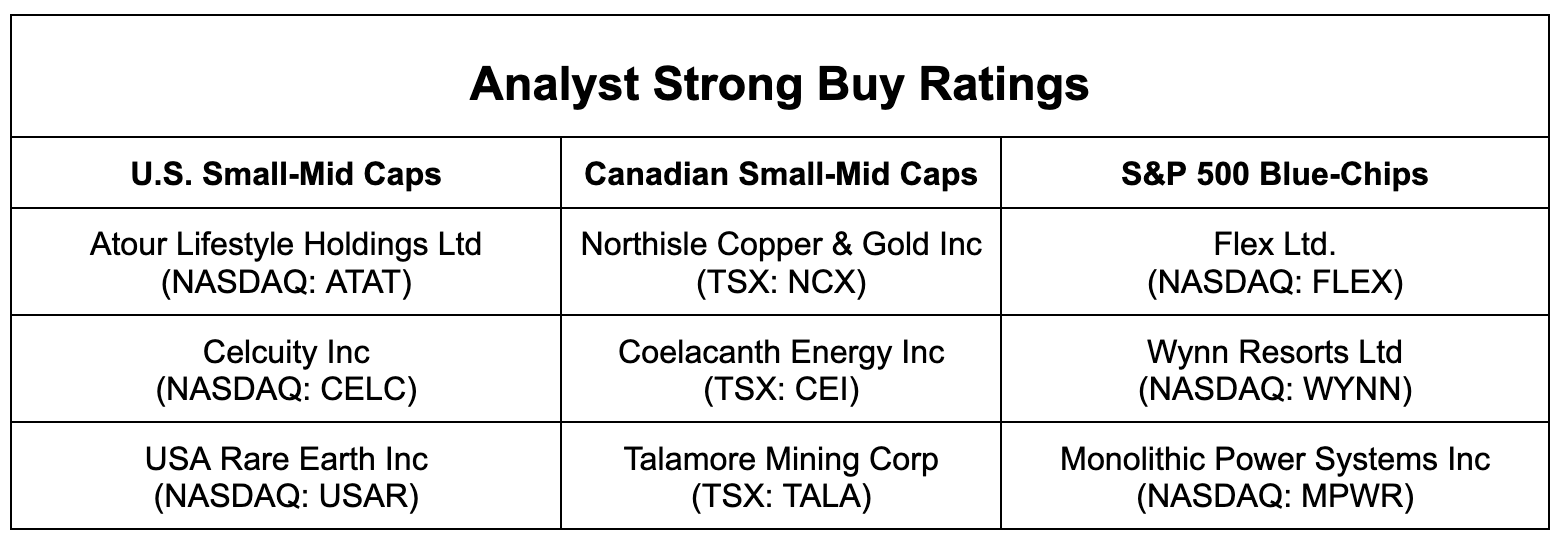
Looking for stocks with strong analyst backing? These companies have earned top-tier "Strong Buy" ratings from analysts, signaling potential upside for investors.
Whether you’re eyeing small-to-mid cap opportunities in the U.S. and Canada or want to stick with trusted S&P 500 blue-chip picks, this list highlights stocks that experts believe could outperform.
🔍 Do your research and see if any of these fit your portfolio!
The Iron Ore Supply Gap
Rio Tinto’s iron ore chief, Matthew Holcz, believes the market is writing off iron ore too soon. His argument rests on supply, not demand. The major Australian mines built during the 2005 to 2015 boom are ageing and depleting faster than many forecasters expect, while the industry has grown much larger. Rio estimates the world will need 800 million tonnes of new supply over the next decade just to maintain current output, yet only 300 million tonnes has been committed. Rio alone plans to spend more than $13B in the Pilbara between 2025 and 2027. With marginal production costs higher than in the previous cycle, Holcz believes iron ore prices have a solid floor beneath them.
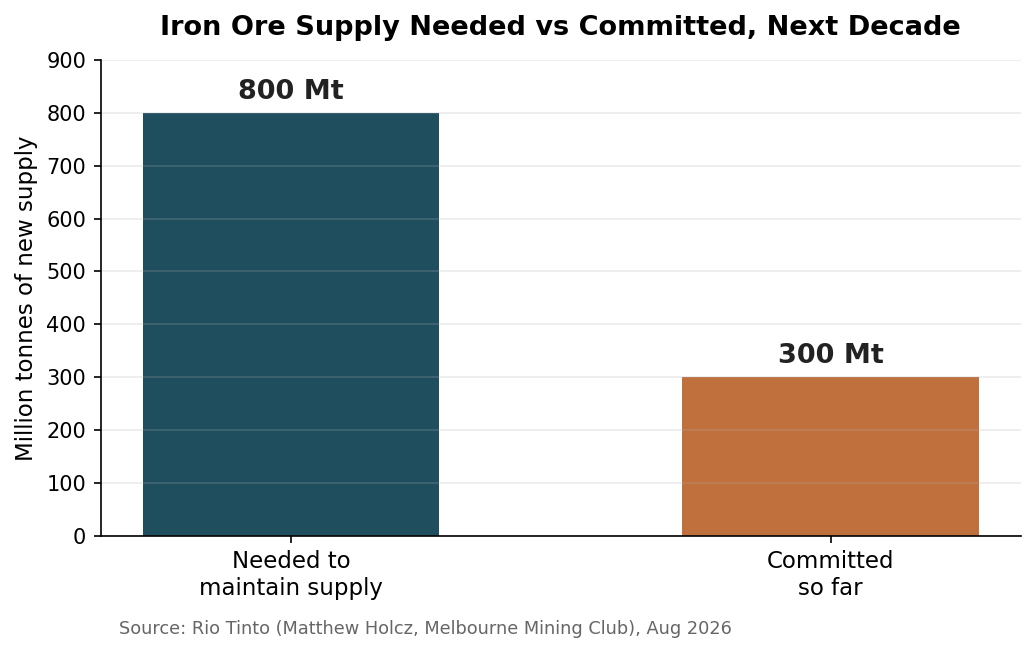
Rio’s supply case is credible, but it is not a free pass for iron ore prices. Guinea’s Simandou project, one of the world’s largest new iron ore mines, is beginning to add major new supply to the seaborne market. That could pressure prices before depletion becomes the dominant force, while China’s slowing steel demand remains a major risk for iron ore prices and the earnings of major exporters such as Rio Tinto. The balanced view is that iron ore may retain a firmer long-term floor than bears expect, but investors should expect a volatile transition, rather than a sustained shortage.