Edition #154
Investing Unlocks: How to Capitalize on the Hot Topics From The Last 7 Days
We analyze recent trends and opportunities, offering strategic insights that help you manage risks and identify growth opportunities for your portfolio.
🤖 Chips and Peace Hopes Push Markets to Records
The S&P 500 and Nasdaq closed the week at fresh all-time highs, with technology and semiconductors doing most of the work. The Philadelphia Semiconductor index surged more than 10% on the week, its 18th straight winning session, while the broader S&P 500 gained about 0.5%. With a quarter of S&P 500 companies now reported, more than 80% have beaten estimates, putting the index on track for double-digit profit growth for the sixth straight quarter.
The Fed wraps its two-day meeting April 29 with a rate hold widely expected at 3.50%–3.75%, so all eyes will be on Chair Powell’s tone around inflation. April 30 then delivers a triple hit: the first read on Q1 GDP, March core PCE (the Fed’s preferred inflation gauge), and the Employment Cost Index, all before the open. Five of the Magnificent Seven (Microsoft, Alphabet, Meta, Amazon, and Apple) report between April 29 and May 1, with AI capital spending in sharp focus.
Hot Topics
Breaches Raise Questions Over AI Security at Anthropic, OpenAI
Crypto Billionaire Sues Donald Trump-Linked Project Over Extortion Claim
401(k) Millionaires are a Growing Club of Few
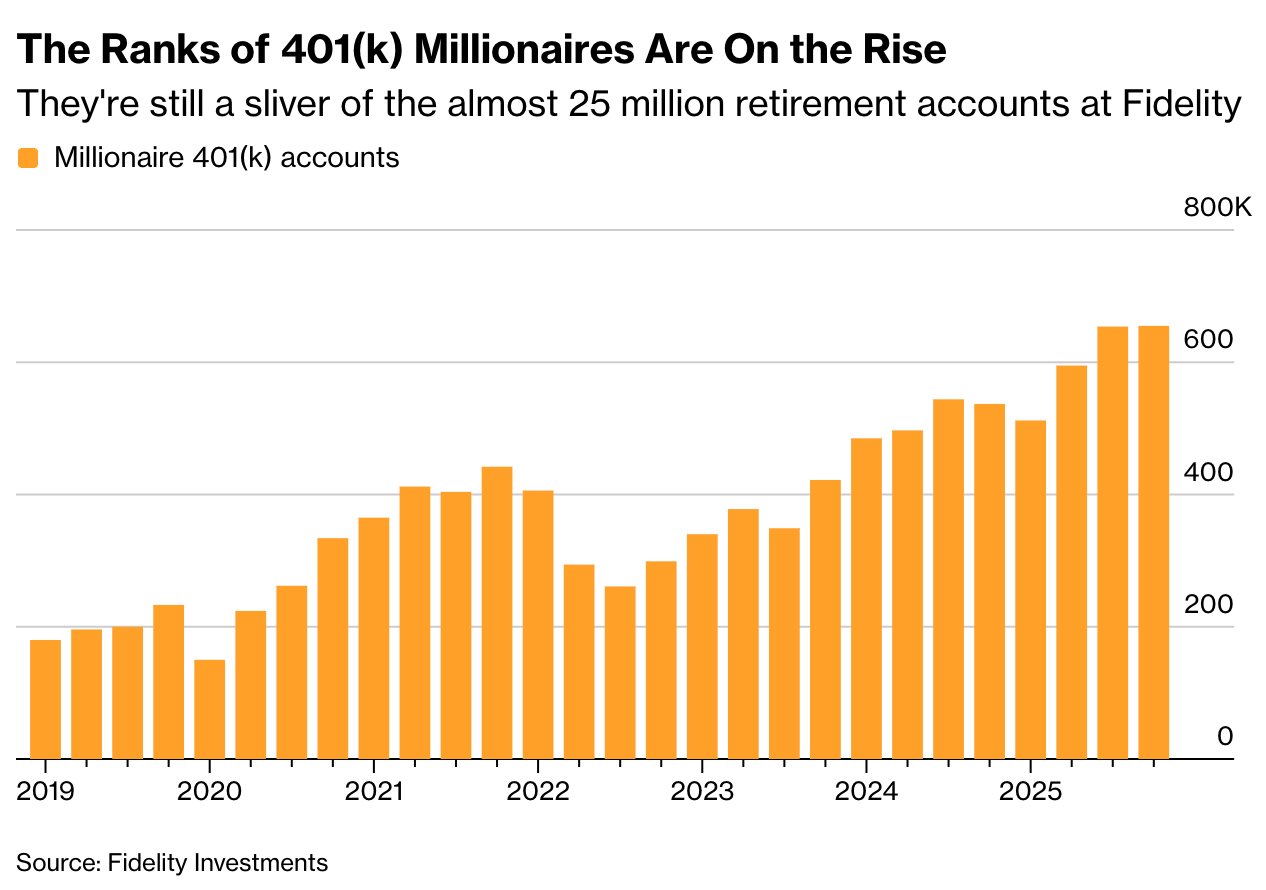
Fidelity now counts roughly 625,000 millionaire 401(k) accounts out of nearly 25 million it administers, a record high, but still under 2.5% of its account holders.
Strategic Oil Inventories
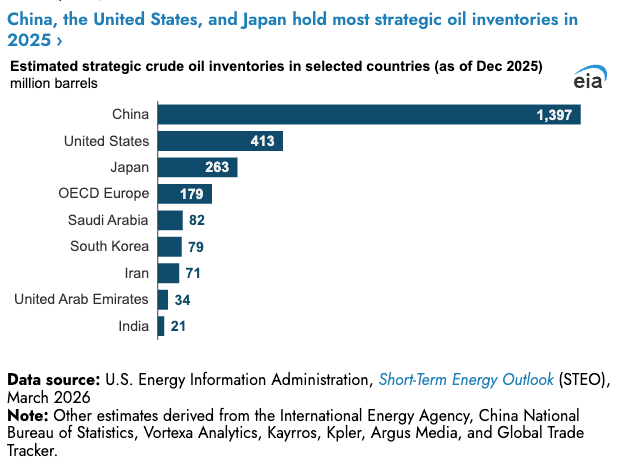
While this chart highlights the scale of strategic crude inventories entering 2026, particularly China’s dominant position, it should be viewed as a pre-crisis baseline.
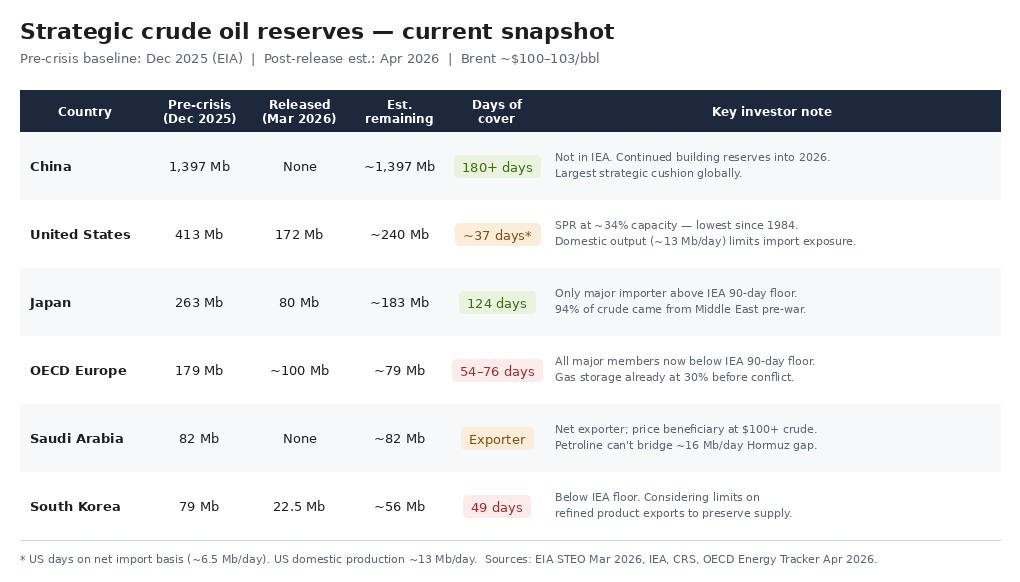
Since the Iran conflict disrupted Middle East supply flows, major consuming nations have drawn on emergency stockpiles to stabilize markets, materially reducing available inventories in the United States, Europe, Japan, and South Korea. China likely retains the largest strategic cushion by a wide margin, but absolute barrel counts alone no longer tell the full story.
What matters now is remaining usable reserves, recent drawdowns, and how many days of import cover each country still holds, which together determine who has the greatest capacity to withstand a prolonged supply shock.
European Gas Prices: Shock and Persistent Premium
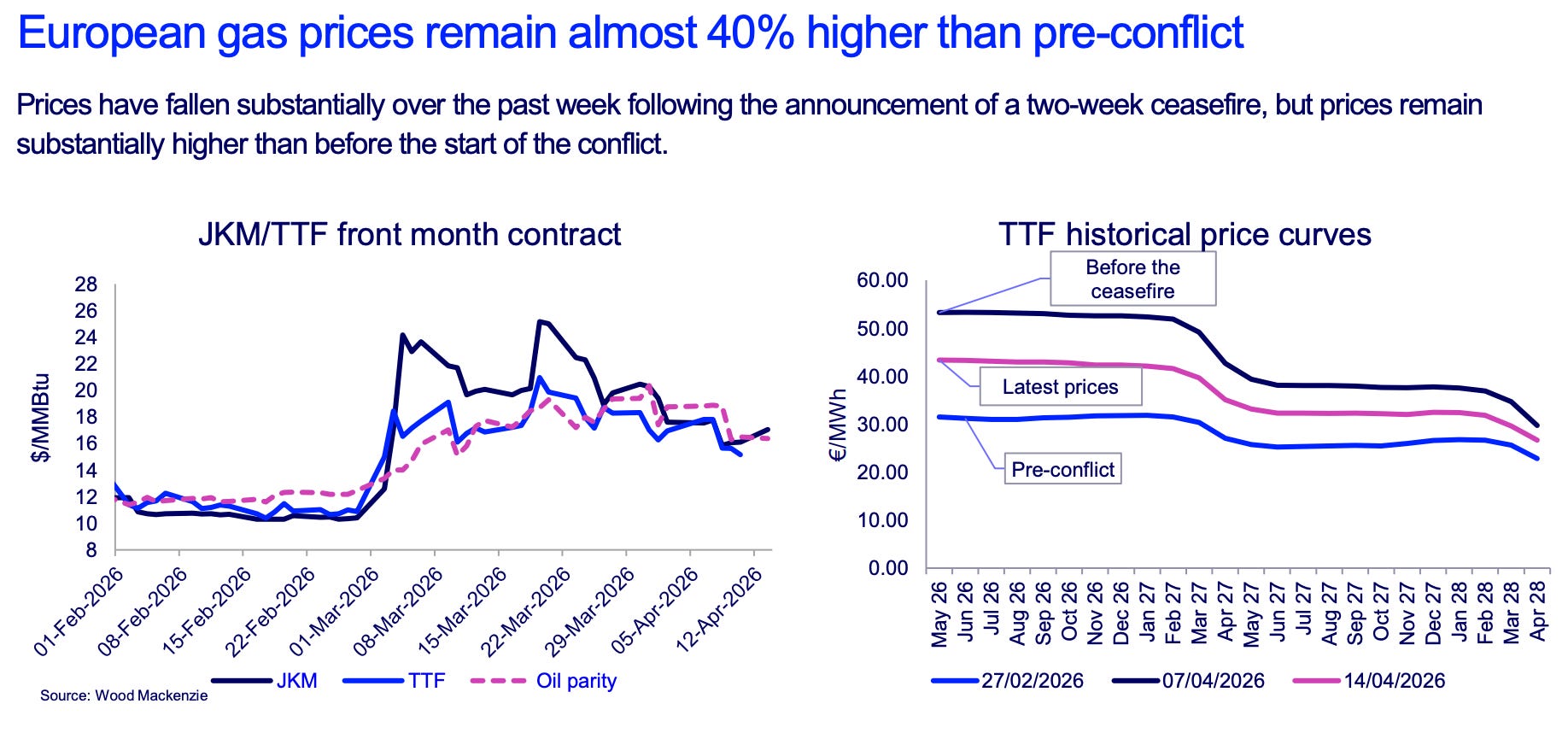
The Middle East conflict sent TTF (European gas benchmark) prices sharply higher in late February 2026, briefly approaching oil parity. A two-week ceasefire brought some relief, but prices remain nearly 40% above pre-conflict levels. The forward curve shows the market now prices in a sustained premium well into 2028, reflecting a structural supply shortfall due to damaged Qatari infrastructure and delayed expansion projects. A ceasefire alone is not a price reset.
AI Investment: From Niche to Mainstream
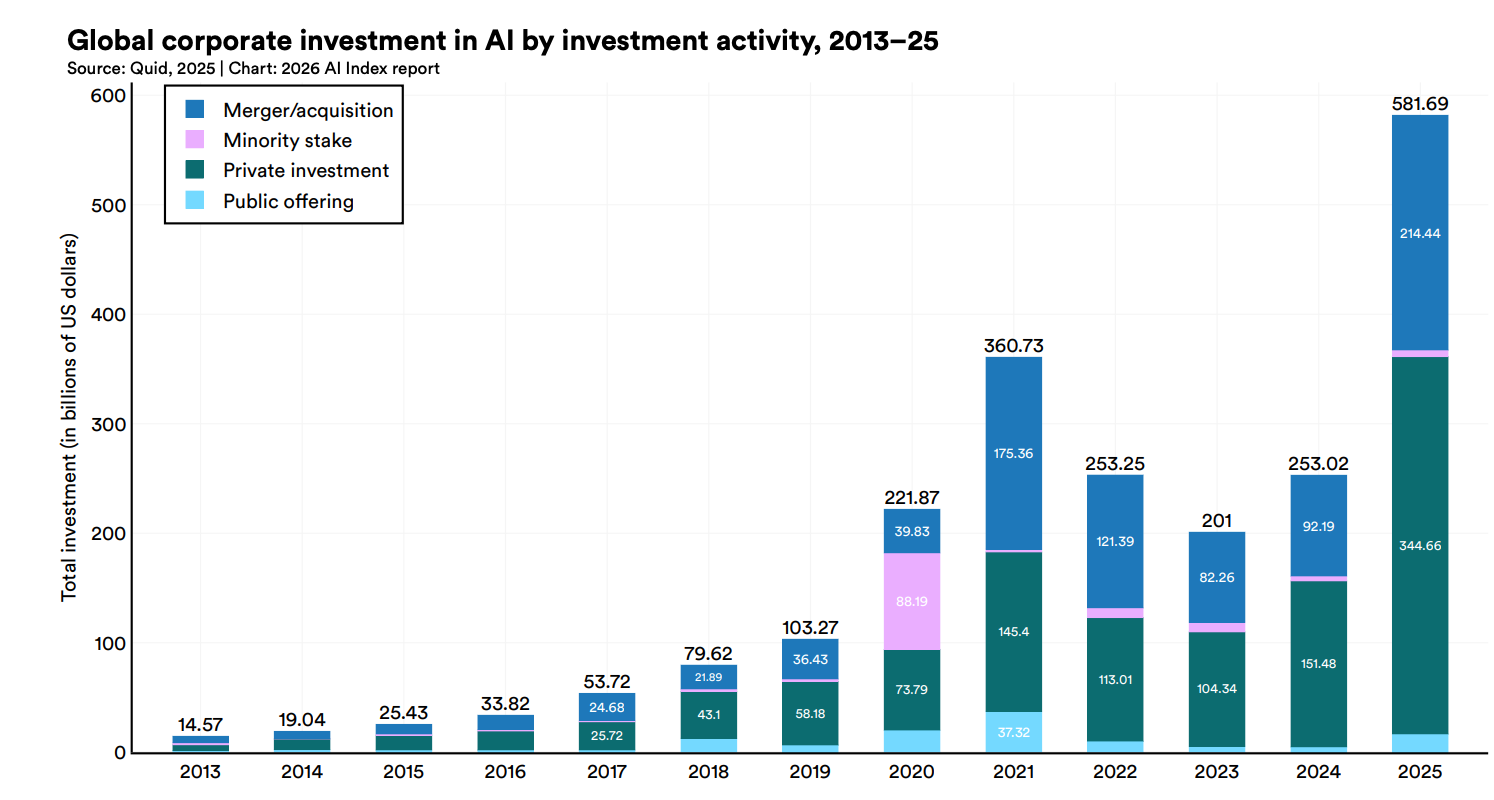
Global corporate AI investment grew fortyfold between 2013 and 2025, hitting $581 billion last year, a 130% jump in a single year. Private investment led at $345 billion, with M&A close behind, both roughly doubling year-over-year. The chart shows investment was largely flat through most of the 2010s, then began compounding sharply after 2020. For a retail investor, the message is clear: AI capital commitment is no longer speculative; it is structural and accelerating.
Earnings Performance
GE Aerospace (NYSE:GE)
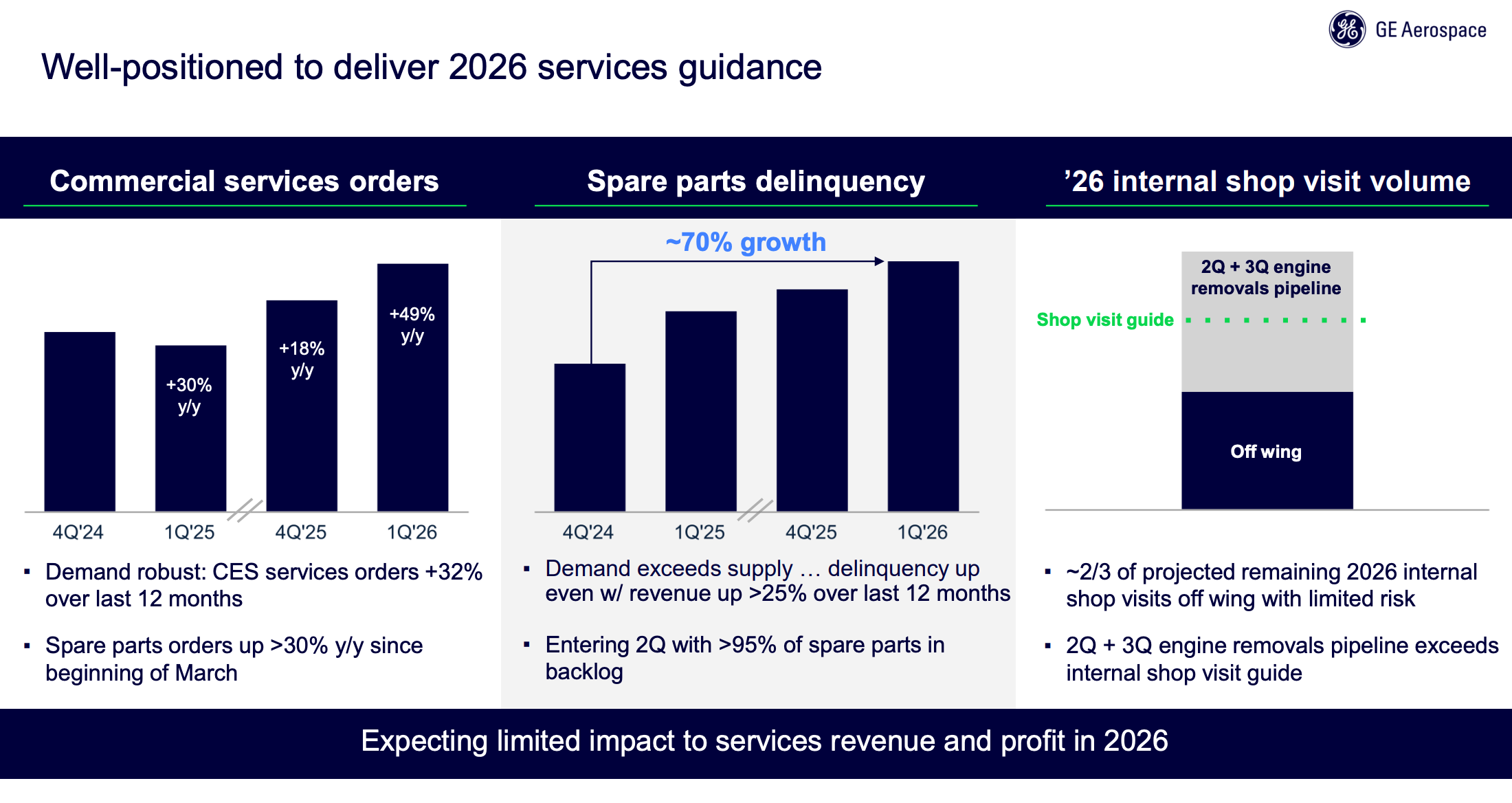
GE Aerospace (NYSE:GE) is seeing demand for engine services exceed its ability to supply parts and capacity, with backlog covering the vast majority of near-term revenue and engine removals already ahead of plan. This creates unusually strong visibility, as much of 2026 services activity is effectively pre-committed rather than dependent on future flight trends.
That strength is reflected in the quarter. Adjusted revenue grew 29% to $11.6B, operating profit rose 18% to $2.5B, and EPS increased 25% to $1.86. Free cash flow reached $1.7B, up 14%, while orders surged 87%, supported by a commercial services backlog above $170B.
The key takeaway is durability. Even with softer air traffic expectations, services growth is supported by backlog, maintenance cycles, and constrained supply, not just demand. This supports pricing power and earnings resilience, with execution on capacity the main variable to watch.
Other Earnings Updates
Procter & Gamble (NYSE: PG): Reports 7% Sales Growth in Q3 2026
Tesla (NASDAQ: TSLA): Reports Q1 Deliveries, Output
UnitedHealth Group (NYSE: UNH): Reports Q1 2026 Results
Analyst Strong Buy Ratings This Week! 📈
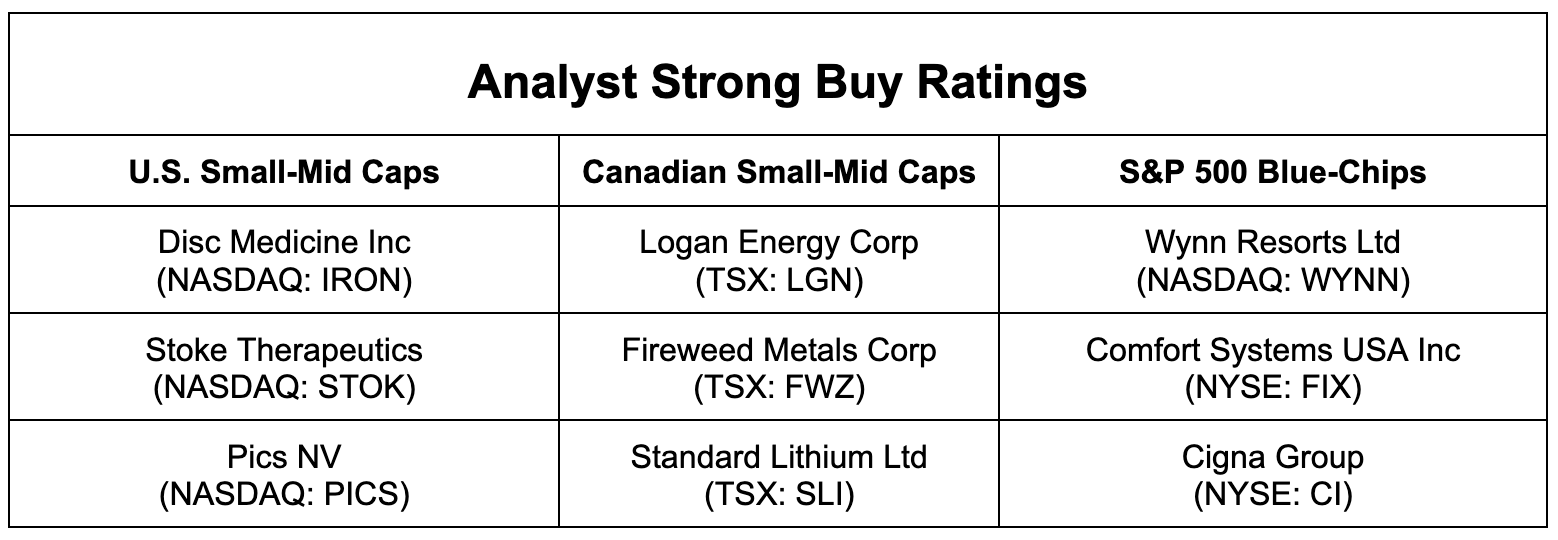
Looking for stocks with strong analyst backing? These companies have earned top-tier "Strong Buy" ratings from analysts, signaling potential upside for investors.
Whether you’re eyeing small-to-mid cap opportunities in the U.S. and Canada or want to stick with trusted S&P 500 blue-chip picks, this list highlights stocks that experts believe could outperform.
🔍 Do your research and see if any of these fit your portfolio!
The Infrastructure Bet Behind AI
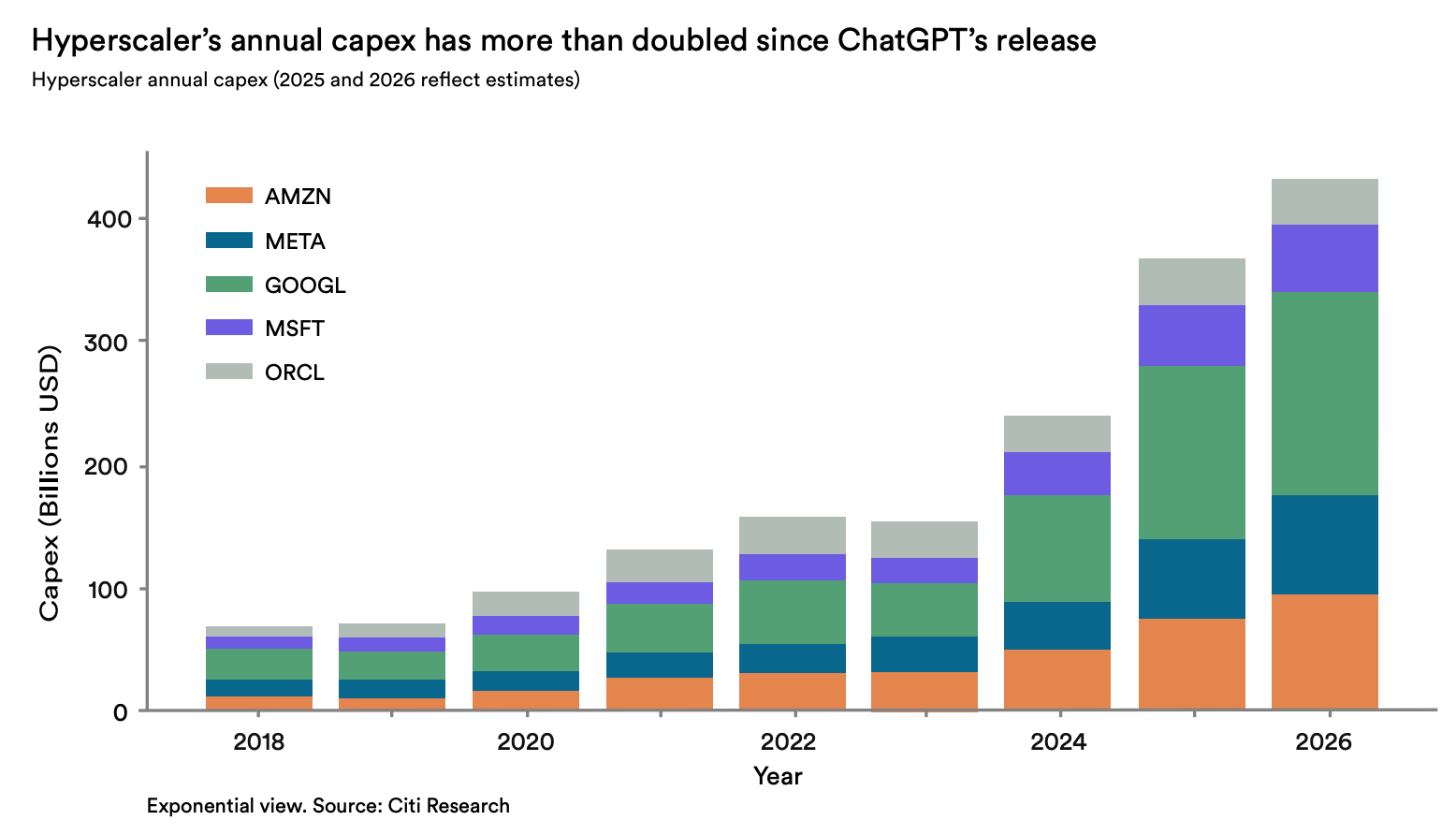
Since ChatGPT’s launch, the hyperscalers (Amazon, Google, Microsoft, Meta, and Oracle) have more than doubled their annual capital expenditures, with Google alone exceeding $150 billion in 2025. This spending funds the data centers, chips, and networking that every AI product runs on.
For an investor already holding these stocks, the chart reframes them: these are no longer just cloud or advertising businesses. They are the foundational infrastructure layer of the AI economy, and they are spending accordingly.
Agentic AI: The Coverage Gap
Major insurers, including Berkshire Hathaway, Chubb, and Travelers, are tightening coverage for AI-related damages just as enterprise adoption of agentic AI accelerates. That leaves businesses increasingly exposed to a category of loss that is fast, potentially large, and difficult to attribute.
That matters because agentic AI is not just software; it can act. Systems that browse the web, execute code, call APIs, and modify live databases can trigger errors or unauthorized transactions at machine speed, with losses landing before a human can intervene.
For investors, the bigger story is where spending shifts next. If insurers are unwilling to absorb broad AI risk, companies will need to build their own safeguards, from monitoring tools and access controls to compliance systems and cybersecurity layers. That creates a picks-and-shovels opportunity in AI governance infrastructure.
The caveat is that adoption may become more measured. As liability exposure becomes clearer, enterprises may slow high-risk deployments until stronger guardrails are in place, delaying near-term demand while reinforcing the long-term need for governance tools.
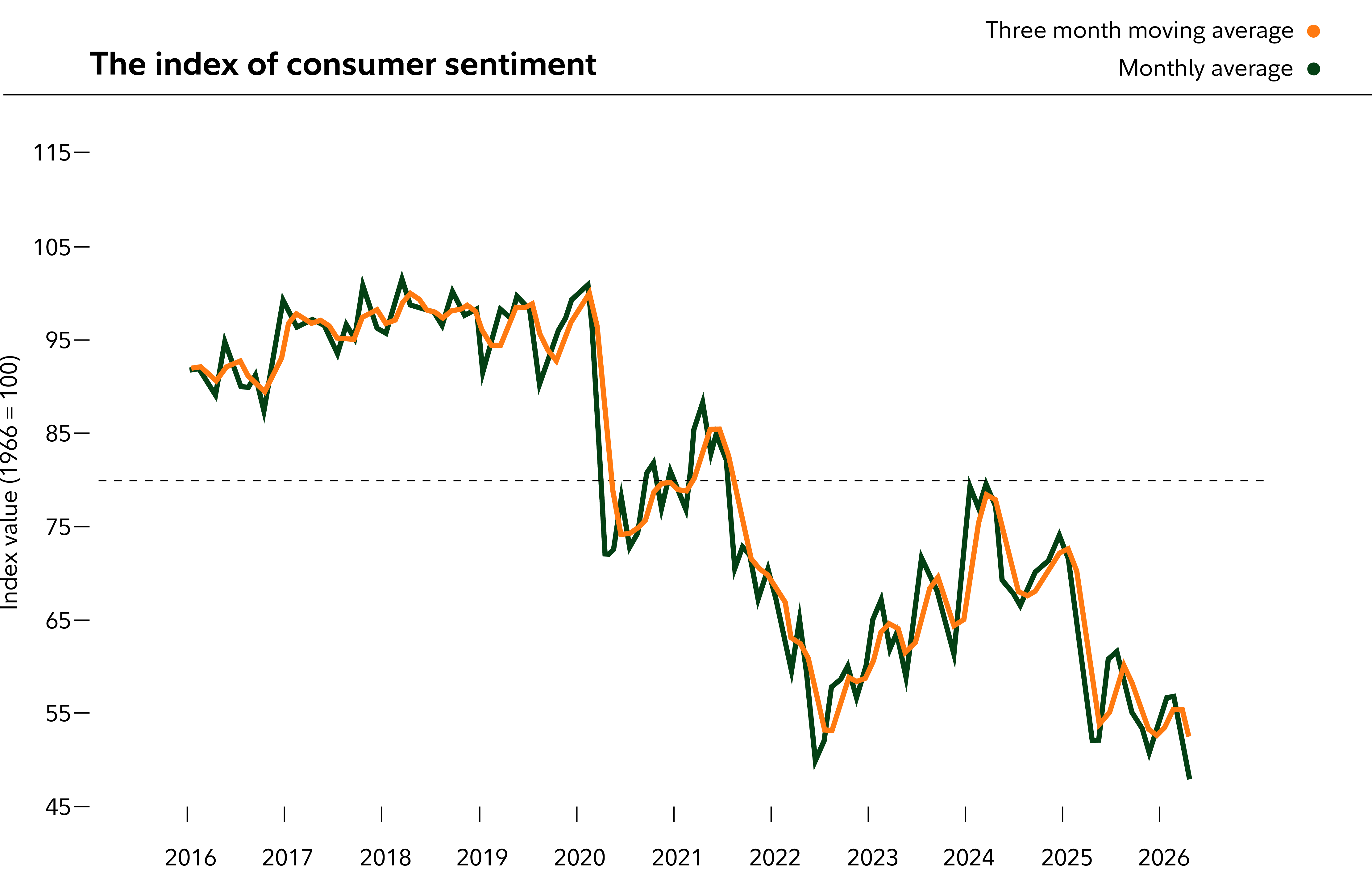
Consumer Confidence Hits Historic Low