

Edition #165
Investing Unlocks: How to Capitalize on the Hot Topics From The Last 7 Days
We analyze recent trends and opportunities, offering strategic insights that help you manage risks and identify growth opportunities for your portfolio.
🏦 Tech Powers Markets, Big Banks Up Next
Last week, stocks climbed as technology and chip names drove the tape, shrugging off a midweek dip in semiconductors to leave the S&P 500 and Nasdaq near record highs. Renewed Middle East tension put a floor under oil, so energy stayed in the picture.
This week, the calendar turns heavy, with June inflation data landing alongside the first big bank results of the season. New Fed Chair Kevin Warsh also heads to Capitol Hill for his first testimony, so every word on rates will be parsed closely. A cooler inflation print would ease pressure and support risk appetite, while a hot one could revive worries about a rate hike later this year. Retail sales and consumer sentiment round out the week, giving you a clean read on whether spending is holding up before summer fades.
PRESENTED BY CANCAMBRIA ENERGY CORP

CanCambria Energy Corp. (TSXV: CCEC) (OTCQB: CCEYF) (FSE: 4JH) is building a scalable tight gas development platform in Central Europe. Years of underinvestment, declining domestic production, reduced reliance on Russian imports, and persistent energy security concerns have pushed pricing well above North American benchmarks. CanCambria’s goal is to apply proven unconventional techniques and scale in this higher-priced natural gas market.
Download the Exclusive Investor Report.
Hot Topics
SK Hynix plunges after Nasdaq debut amid diminishing earnings optimism
Robinhood’s Blockchain Launch: Challenges and Memecoin Frenzy
Apple sues OpenAI, two former employees for trade secrets theft
Rivian stock falls 18% as company sells 75 million shares to raise capital
‘Super’ El Niño could cause global food price shock lasting into 2028, analysts say
China’s AI Large Language Models: A Competitive Edge Over the U.S.
Small Caps vs Large Caps
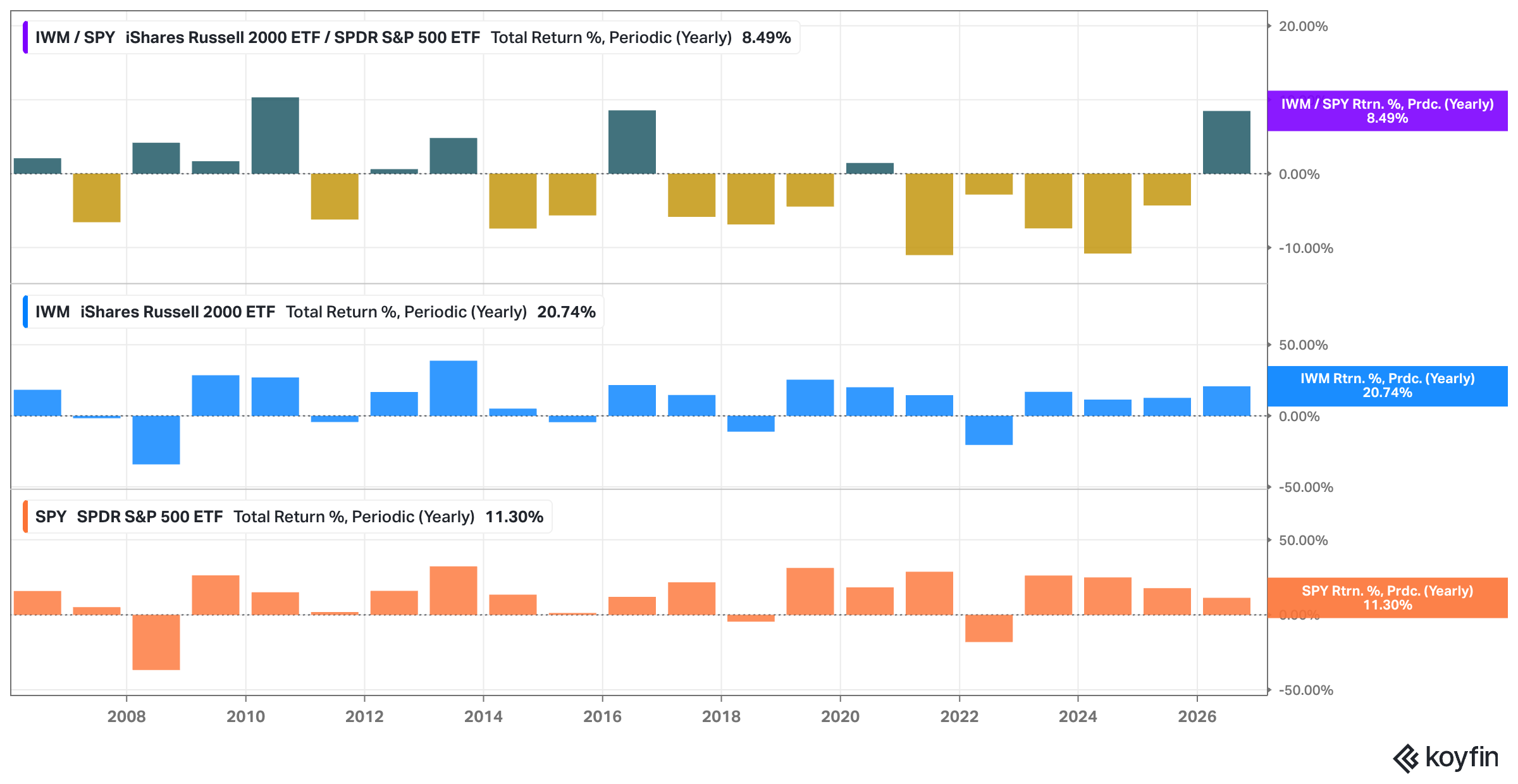
Small caps are finally leading. The top panel tracks the yearly total return of IWM (the iShares Russell 2000 ETF, a proxy for US small caps) relative to SPY (the SPDR S&P 500 ETF, a proxy for large caps). For most of the past decade, those bars sit below zero, the Russell 2000 lagging the S&P 500 year after year, a stretch long enough that many investors stopped watching small caps entirely.
2026 breaks the pattern. So far this year IWM is up roughly 20.7% against SPY’s 11.3%, one of the widest positive gaps on the chart.
One year is not a trend. What separates a real rotation from another false start is breadth and earnings, not a single green bar.
Still, the setup earns attention. After years of large-cap concentration, a genuine rotation would reprice a corner of the market that most portfolios are underweight. Watch whether the outperformance holds into year-end, and whether it is broad or driven by a handful of names.
GLP-1 Prescriptions Surge, Oversight Risk Rises
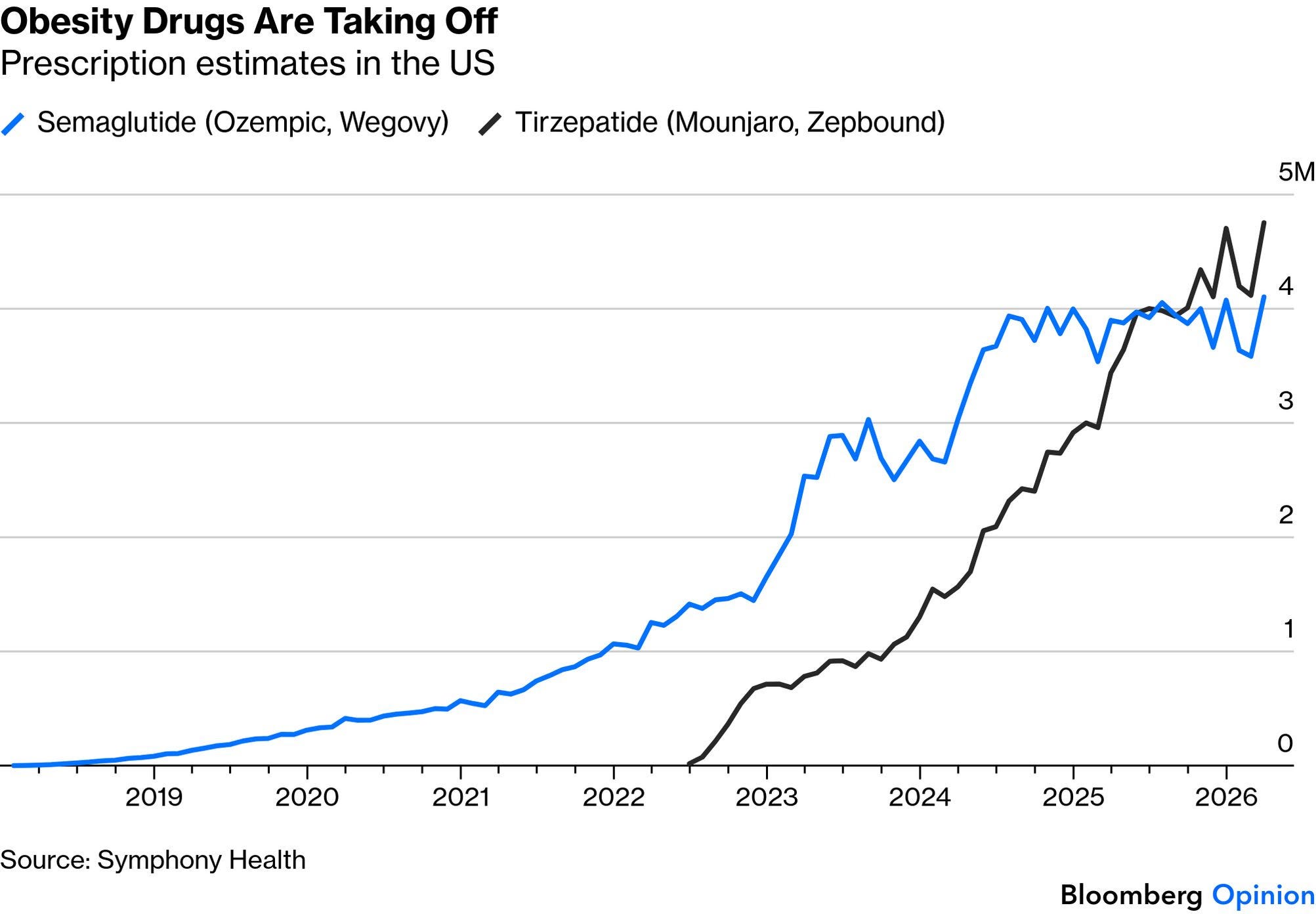
US prescription estimates for semaglutide and tirzepatide have climbed into the multi-million range, with tirzepatide catching up fast to semaglutide, according to Symphony Health data cited by Bloomberg Opinion.
That demand remains positive for Novo Nordisk and Eli Lilly, but the access channel is under more scrutiny. A Yale secret-shopper study of 49 online GLP-1 providers found gaps in patient screening, raising regulatory and reputational risk for telehealth platforms and compounders.
There’s no doubt GLP-1 demand is still strong, but investors should separate durable branded-drug growth from the weaker economics of loosely controlled online prescribing.
Investing Data Story

The regions that consume the most gas are not the ones producing it, and the geopolitical fractures of recent years have made that imbalance harder to manage.
The New Geography of Natural Gas
Earnings Performance
Delta Air Lines Inc (NYSE: DAL)
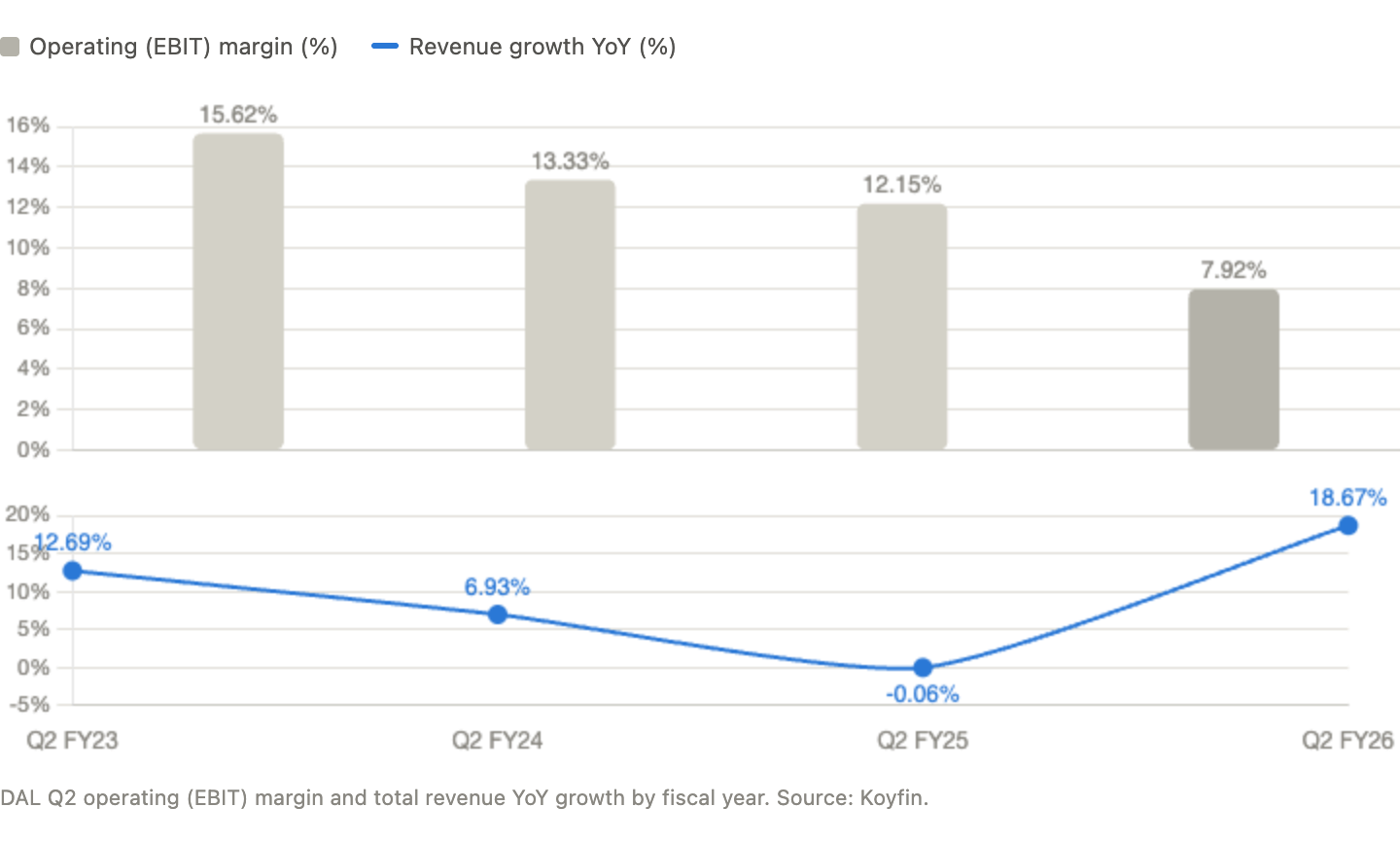
Delta Air Lines Inc (NYSE: DAL) posted record Q2 revenue of $17.7 billion, up about 14% year over year (19% on a GAAP basis to $19.76 billion), and beat estimates with adjusted EPS of $1.56. But operating margin fell for the third straight year, to 7.92%, as the highest quarterly fuel expense in its history squeezed profitability. Demand and pricing power are lifting the top line, but fuel is eating the gains. Watch whether Delta can maintain premium fares if fuel prices remain elevated into the fall.
Other Earnings Updates
Penguin Solutions (NASDAQ: PENG): Posts Record Net Sales
Enerpac (NYSE: EPAC): Reports Q3 Sales Rise 6%
Kura Sushi (NASDAQ: KRUS): Reports $85.9M Q3 Sales
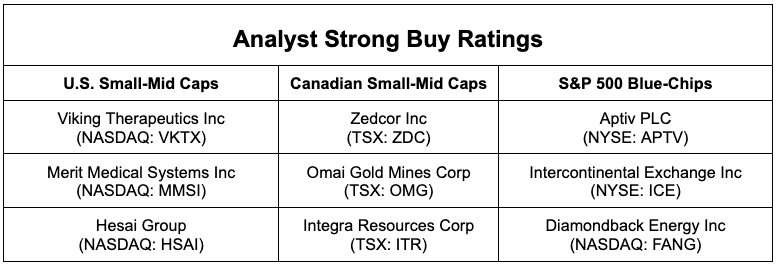
Analyst Strong Buy Ratings This Week! 📈
Looking for stocks with strong analyst backing? These companies have earned top-tier "Strong Buy" ratings from analysts, signaling potential upside for investors.
Whether you’re eyeing small-to-mid cap opportunities in the U.S. and Canada or want to stick with trusted S&P 500 blue-chip picks, this list highlights stocks that experts believe could outperform.
🔍 Do your research and see if any of these fit your portfolio!
Tesla Delivery Rebound Tests EV Demand Bears
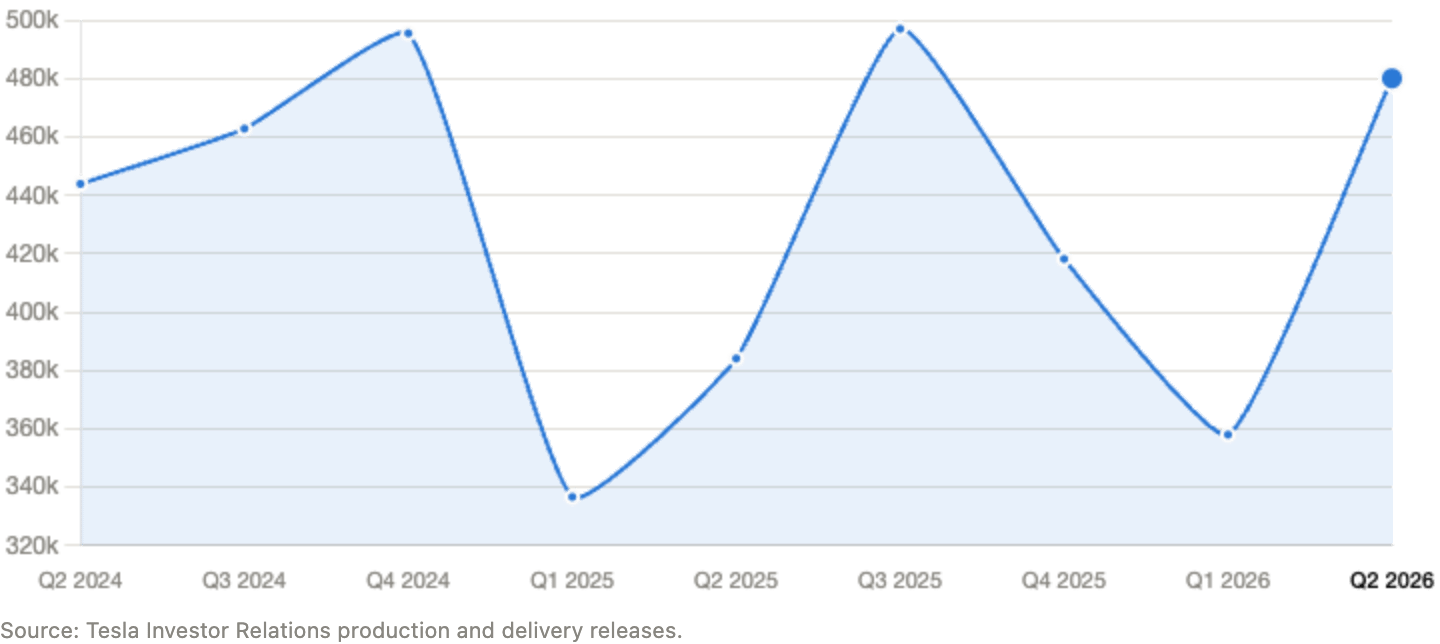
Tesla reported 480,126 second-quarter deliveries, roughly 25% above last year and well ahead of Wall Street expectations near 406,000. The beat matters because it suggests demand may be stabilizing after boycotts, weaker sales, and pressure from BYD.
WHAT’S DRIVING IT
Price support: Tesla has leaned on lower-cost Model Y and Model 3 versions, plus cheaper lease and loan offers in Europe, to keep demand moving.
Brand reset: The delivery beat suggests some backlash tied to Elon Musk’s politics may be easing, though reputational risk remains hard to measure.
Europe momentum: AP cited May trade data showing stronger overseas performance, including a reported 300% jump in Germany.
US pressure: Cox Automotive estimated Tesla’s US sales fell 20% year over year in Q2, pointing to uneven demand across regions.
Tesla’s Q2 numbers weaken the bear case that demand is structurally broken, but they do not erase regional weakness or margin pressure. The key watch item is whether delivery growth can hold without deeper discounts.