

Edition #174
Investing Unlocks: How to Capitalize on the Hot Topics From The Last 7 Days
We analyze recent trends and opportunities, offering strategic insights that help you manage risks and identify growth opportunities for your portfolio.
🔥 Hot Inflation Sets Up Fed Showdown
Last week, stocks slipped as inflation data came in hotter than expected, pushing bond yields higher and raising the odds of a Federal Reserve rate hike. Oil prices spiked on Middle East tensions, adding pressure on consumers and companies alike. Small caps and industrial stocks bore the brunt of the selling, while tech held up better. Markets staged a late-week rebound once the inflation data cleared up the uncertainty, even though it pointed toward tighter policy ahead.
This week, investors are bracing for the Federal Reserve’s interest rate decision, with markets pricing in a strong chance of a quarter-point hike, the first since 2023. Retail sales and import price data due midweek will offer fresh clues on how consumers and trade are holding up under higher costs.
Hot Topics
Investing Data Story

NVIDIA leads a semiconductor market concentrated around AI, chipmaking equipment, and memory, but big valuations still carry big expectations.
Top 20 Semiconductor Stocks by Market Cap


Explore our latest data stories to uncover the trends, shifts, and opportunities shaping the investment landscape.
Explore Investing Data Stories →
Weekly Series: The Small-Cap Advantage
Exploring why the smallest corners of the public markets can sometimes create the biggest opportunities for individual investors.
#4 Why Nobody Wants It Until They Do
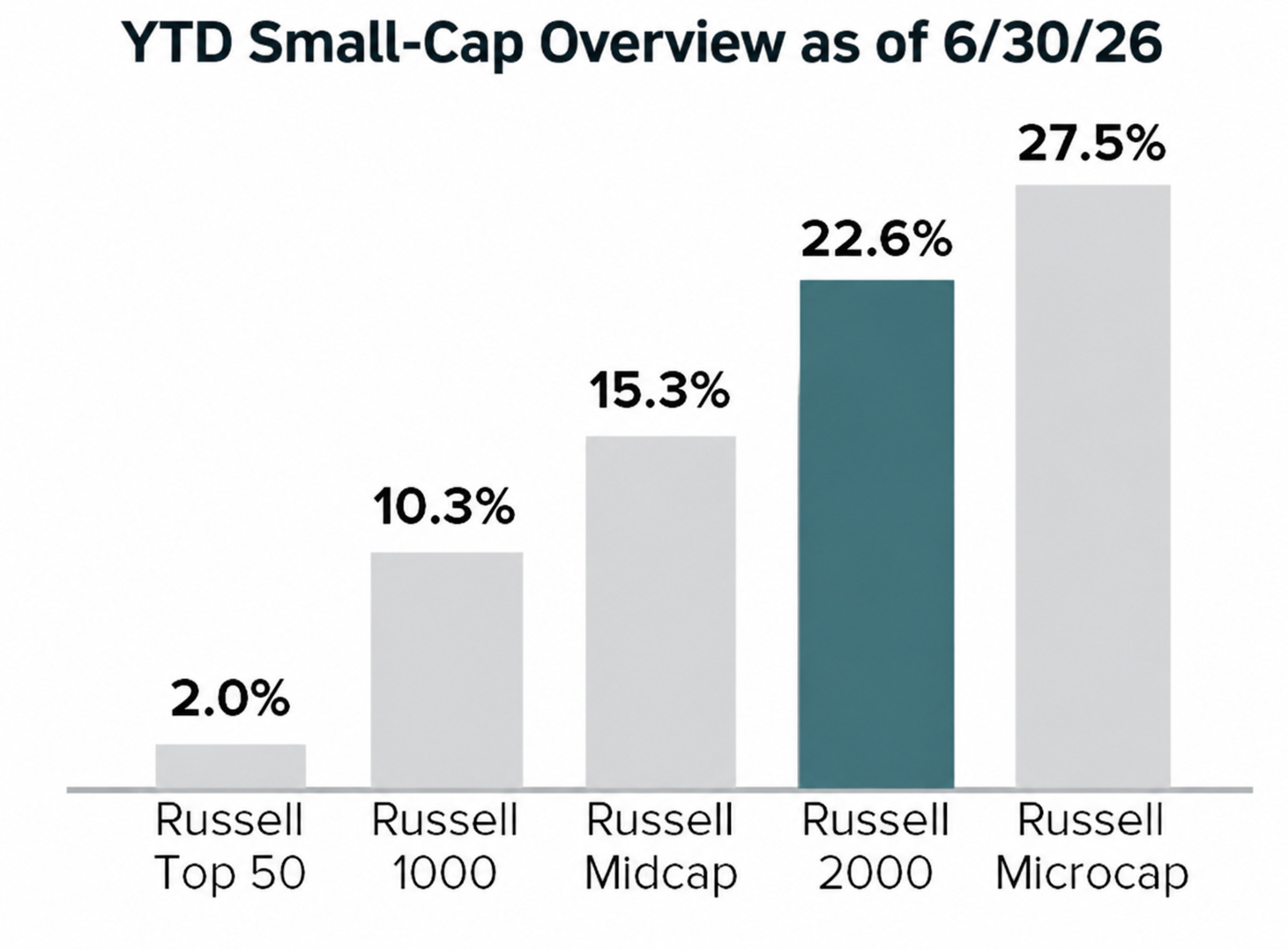
For the better part of a decade, US equity market gains became increasingly concentrated in a handful of mega-cap technology names. The top 10 companies in the S&P 500 grew to represent almost 40% of the entire index. Small caps were broadly ignored. Then, beginning in 2025, the rotation began. By mid-2026, the Russell 2000 was up roughly 23% for the year, outpacing the S&P 500 by more than 9 percentage points.
This pattern repeats across market history. An asset class falls out of favor, prices compress because capital is chasing something else, and the investors who bought during the quiet period collect the gains when sentiment shifts. The opportunity for individual investors is that you can position during the unpopular phase, when prices are low and attention is elsewhere, without needing a committee or a mandate to approve it. By the time the headlines arrive, the best of the move has already happened. Being early is uncomfortable, but it is where the returns live.
This is #4 in our Small-Cap Advantage series, exploring where individual investors may still hold an edge over larger institutions. Read #3 The Market Gets It Wrong More Often Here, in last week’s edition.
Earnings Performance
Oracle Corporation (NYSE: ORCL)
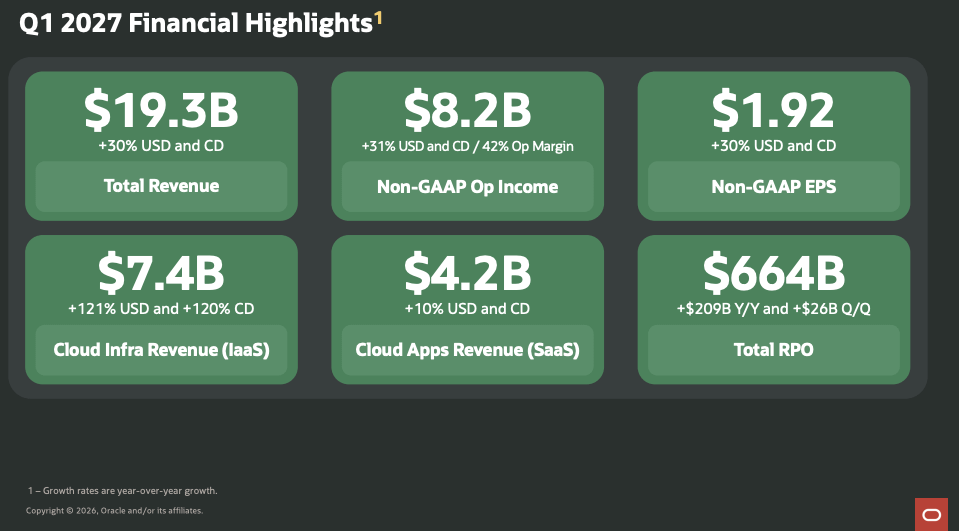
Oracle Corporation (NYSE: ORCL) announced Q1 FY27 results with strong revenue growth. Oracle’s fiscal first quarter revenue rose 30% to $19.3 billion and cloud infrastructure revenue jumped 121%, beating every estimate, but shares reversed a 7.5% opening gain to close down 1.7% as investors weighed a $664 billion backlog against negative free cash flow and the debt needed to fund AI data centers.
Other Earnings Updates
Kroger (NYSE: KR): Reports Q2 Results, Cuts Sales Guidance
National Beverage (NASDAQ: FIZZ): Reports Q1 Profit Decline
Core & Main (NYSE: CNM): Posts Record Q2 Share Buybacks
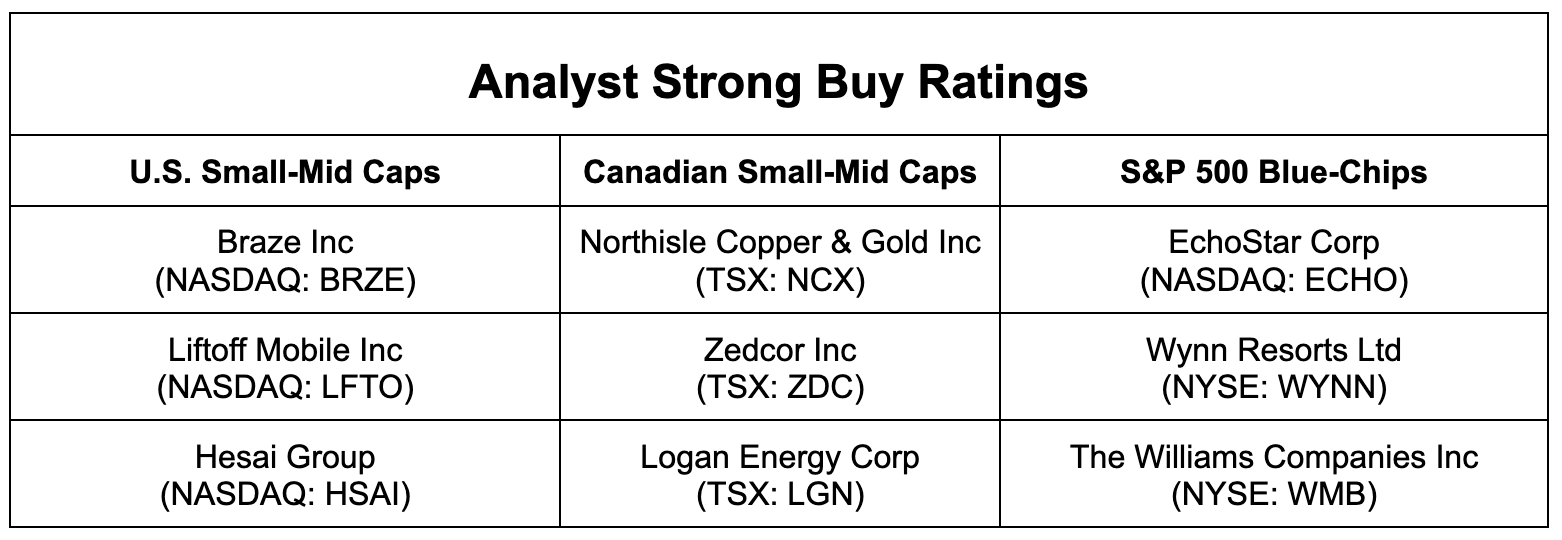
Analyst Strong Buy Ratings This Week! 📈
Looking for stocks with strong analyst backing? These companies have earned top-tier "Strong Buy" ratings from analysts, signaling potential upside for investors.
Whether you’re eyeing small-to-mid cap opportunities in the U.S. and Canada or want to stick with trusted S&P 500 blue-chip picks, this list highlights stocks that experts believe could outperform.
🔍 Do your research and see if any of these fit your portfolio!
Berkshire’s Cash Bet Keeps Paying
The cash pile Warren Buffett spent years building reached a record $397.4 billion by the end of March 2026. New CEO Greg Abel, who took over from Buffett at the start of the year, has since begun putting more money to work. Berkshire became a net stock buyer in the second quarter, ending 14 straight quarters of net selling, while stepping up buybacks. Even after all that, it still had roughly $365 billion in cash and short-term investments at the end of June.
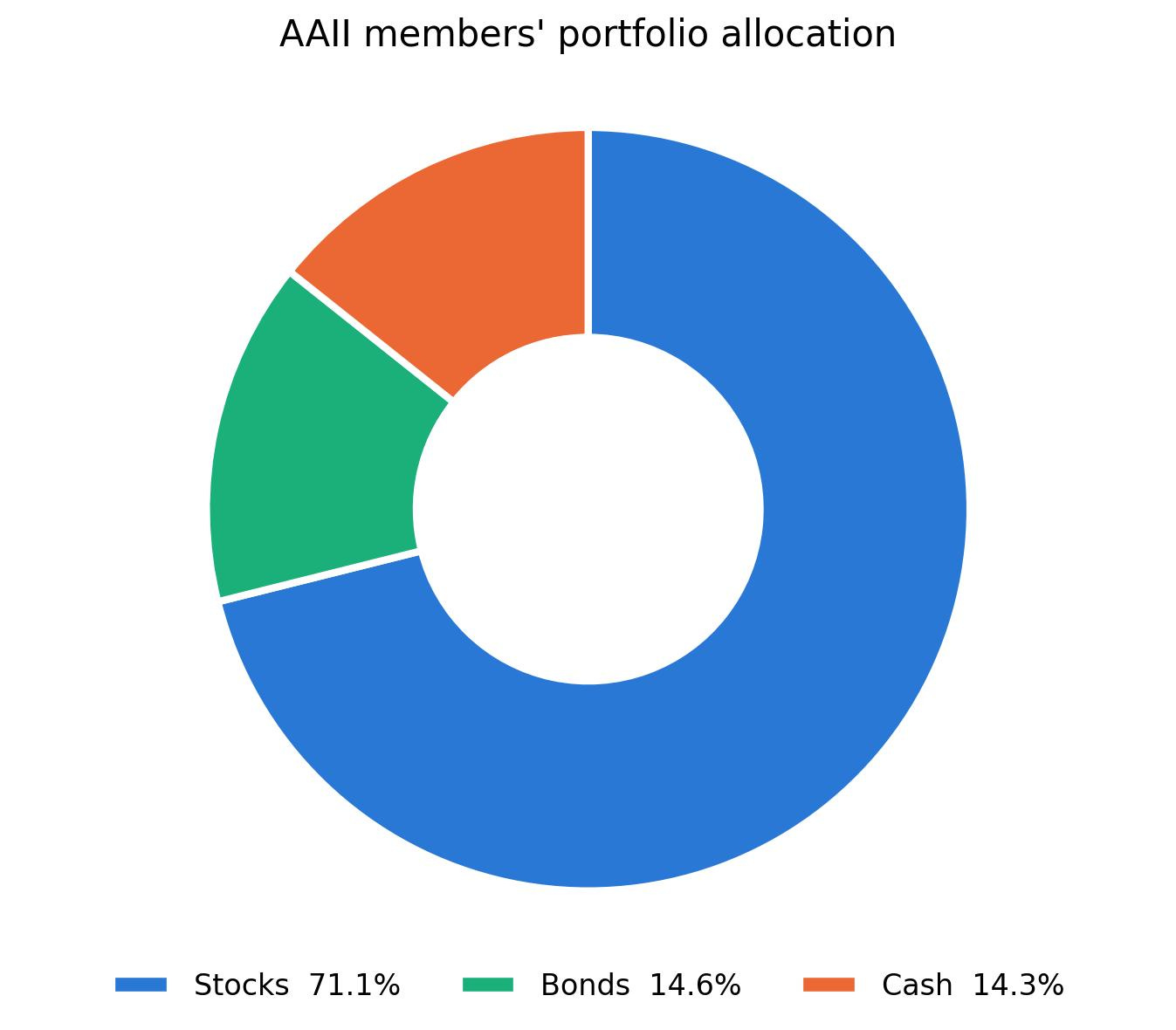
That leaves Berkshire with plenty of dry powder, something individual investors increasingly lack. BofA’s Bull & Bear Indicator recently hit 9.5, deep in sell-signal territory, while its private wealth clients are holding a record-low 9.4% of their portfolios in cash. AAII’s latest survey paints a similar picture, with individual investors holding 71.1% of their portfolios in stocks, well above the historical average of 61.5%, while their 14.3% allocation to cash remains far below its 22.5% historical average.
There is still plenty of money sitting on the sidelines across the wider financial system, including nearly $8 trillion in U.S. money-market funds. But that doesn’t necessarily give an individual investor much flexibility when markets fall. What matters is the cash available in your own portfolio.
That’s where Berkshire’s enormous reserve offers a useful lesson. Cash isn’t valuable simply because it cushions a selloff. Keeping some money in reserve means that when an investment you’ve wanted suddenly gets cheaper, you can take advantage rather than simply watch the opportunity pass.